
Dengue in Children: Symptoms, Home Care and Warning Signs Parents Must Know
How dengue shows up in children, how to care for your child at home, which medicines to avoid, and the warning signs that mean going to a hospital straight away.
Dengue cases in India rise every year after the monsoon, from August to November, when rainwater collects in coolers, pots and tyres and mosquitoes breed fast. Most children with dengue get better with rest and plenty of fluids at home. A small number become seriously ill, and the danger often comes just as the fever is going down, when many parents think the worst is over.
This guide explains how dengue shows up in children, how to care for your child at home, the warning signs that mean you should go to a hospital straight away, and how to protect your family from mosquito bites.
What is dengue?
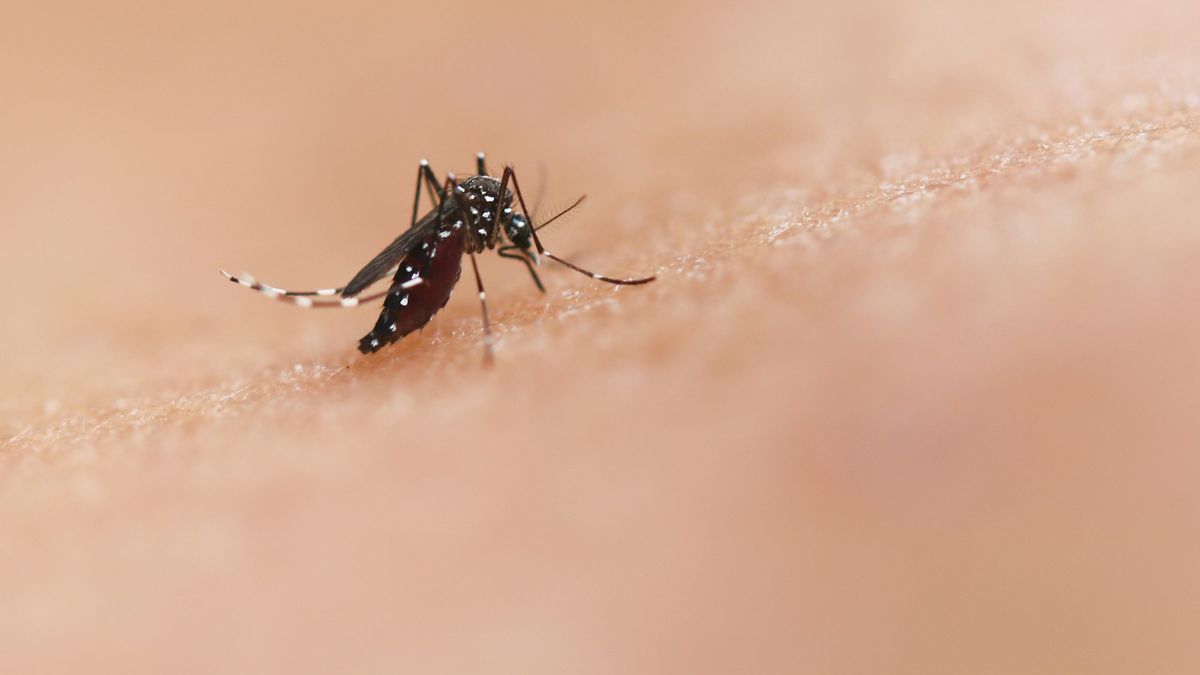
Dengue is a viral infection spread by the bite of the Aedes mosquito, which has black and white stripes on its legs and body. It does not spread from one person to another directly. Unlike the mosquitoes that bite at night, Aedes mosquitoes bite mostly during the day, especially in the early morning and late afternoon, so children can be bitten at school, in parks and at home.
There are four types of dengue virus. A child who gets dengue a second time, from a different type, has a higher chance of severe dengue, so it is worth taking every infection seriously.
Symptoms of dengue in children
Symptoms usually start 4 to 10 days after the bite. They can include:
- A sudden high fever, often 39°C to 40°C, lasting 2 to 7 days
- Headache and pain behind the eyes
- Body ache, and pain in the muscles and joints
- Nausea, vomiting and not wanting to eat
- A red rash, often appearing a few days into the illness
- Tiredness and irritability
Babies and young children often do not have the typical symptoms. In them, dengue can look like an ordinary viral fever, with a cold, a cough, loose motions or vomiting. If your area has dengue cases and your child has a high fever, tell the doctor, even if it seems like a simple fever.
The three stages of dengue
1. The fever stage (days 1 to 3)
A high fever with body ache. Your child may be very uncomfortable, but this stage is usually not the most dangerous.
2. The critical stage (around days 3 to 7)
This is the stage to watch most carefully. The fever starts to come down, but in some children fluid leaks out of the blood vessels and the platelet count drops. This can cause dehydration, shock or bleeding. A child who suddenly seems worse as the fever settles needs a doctor straight away.
3. The recovery stage
Appetite comes back, energy returns and the platelet count starts to rise. Some children get an itchy rash at this stage. Tiredness can last for a week or two after the illness.
Tests your doctor may ask for
- NS1 antigen test: shows dengue in the first few days of the fever.
- Dengue IgM antibody test: more useful after about the fifth day.
- Complete blood count (CBC): checks the platelet count and haematocrit. Your doctor may repeat it every day or two during the critical stage to see how your child is doing.
Do not panic over a single report. Your doctor looks at the trend in the numbers along with how your child looks, how much they are drinking and how often they are passing urine.
How to care for a child with dengue at home
There is no medicine that kills the dengue virus. Treatment means supporting your child's body while it fights the infection, and watching closely for warning signs.
- Give plenty of fluids, little and often. ORS, water, coconut water, buttermilk, lassi, soups, dal water and fresh fruit juice all help. Fluids are the most important part of treatment.
- Check how often your child passes urine. It should be at least every 4 to 6 hours. Less urine than usual is a sign that your child needs more fluids, or needs to see a doctor.
- Let your child rest, and keep them home from school until the doctor says they have recovered.
- Give light, easy food they like, such as khichdi, curd rice, idli or bananas. Do not force them to eat, but keep the fluids going.
- Keep your child under a mosquito net, even during the day. A mosquito that bites a person with dengue can pass the virus on to others in the family.
Medicine: what to give and what to avoid
- Paracetamol is the only fever medicine to use for suspected dengue. Give the dose your doctor advises for your child's weight, and do not give it more often than every 4 to 6 hours. Our guide to fever in children explains how to give paracetamol safely.
- Do not give ibuprofen (Brufen, Combiflam), aspirin, mefenamic acid (Meftal) or diclofenac. These medicines can increase the risk of bleeding in dengue. Check the label of any combination syrup before you give it.
- Do not give antibiotics or steroids unless a doctor prescribes them. Antibiotics do not work against a virus.
What about platelets, papaya leaf and kiwi?
Platelet counts often fall in dengue, and seeing a low number on a report is frightening. But for most children, the real danger is losing fluid from the blood vessels, not the low platelet count itself. Most children's platelets recover on their own as they get better, and a platelet transfusion is needed only in a few cases, decided by the doctor.
Papaya leaf juice, kiwi and goat milk are widely shared as dengue cures. There is no strong evidence that they treat dengue, and none of them can replace fluids and a doctor's check-ups. If you want to try one, ask your child's doctor first, and never let it delay a hospital visit.
Warning signs: go to a hospital immediately
Babies under 1 year old, and children with other illnesses such as heart, kidney or blood conditions, should see a doctor early in the illness, before any warning signs appear.
When to see a doctor
Book a visit with your child's doctor within a day if your child has a high fever and:
- There are dengue cases in your area or building, or a family member has dengue.
- The fever has lasted more than 2 days.
- Your child has body ache, pain behind the eyes, vomiting or a rash.
- Your child is drinking less than usual, or you are simply worried. You know your child best.
Once your child has been diagnosed, follow the doctor's plan for repeat visits and blood tests, even if your child seems better. The days just after the fever settles are when the follow-up matters most.
How to protect your family from dengue
The best protection is to stop mosquitoes from breeding and to stop them from biting.
- Empty standing water at least once a week: coolers, flower pot trays, buckets, old tyres, coconut shells, water drums and fridge drip trays. Aedes mosquitoes breed in clean, still water, and their eggs hatch in about a week.
- Cover water tanks and storage containers tightly.
- Dress children in long sleeves and long pants, especially in the morning and late afternoon.
- Use a mosquito repellent made for children, and follow the age limit and instructions on the label. Do not apply it to babies' hands, eyes or mouth.
- Use mosquito nets for daytime naps as well as at night, and put mesh screens on windows and doors if you can.
- Ask your child's school to check its compound and water containers for mosquito breeding.
The bottom line
Most children with dengue recover well with fluids, rest and paracetamol. Keep your child drinking, avoid painkillers like ibuprofen and aspirin, and watch especially closely when the fever goes down. Any warning sign means going to a hospital without waiting.
If your child has a fever and you need a children's doctor, you can find pediatricians near you on Doctor App, compare clinic timings and fees, and book a token so you spend less time in a crowded waiting room. Fever with a cough and runny nose? Read our guide to cough and cold in children.
This article is general information, not medical advice. For your child's health, talk to a doctor.
Need to see a doctor?
Find a pediatrician near you, book a slot and skip the waiting room.
Find a doctor